
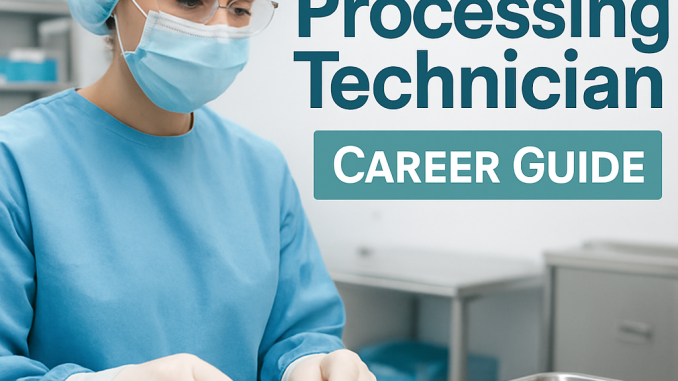
A career as a Sterile Processing Technician (SPT) is not only integral to the functioning of healthcare systems but also offers individuals a chance to make a significant impact on patient safety. These dedicated professionals are responsible for cleaning, sterilizing, and preparing surgical instruments and medical equipment, ensuring a sterile environment in operating rooms. With the increasing demand for qualified technicians, the job outlook for sterile processing technicians looks promising, as hospitals and surgical centers expand their services. To embark on this rewarding career path, prospective candidates must undergo sterile processing technician training, meet specific requirements for sterile processing technician roles, and consider obtaining STERILE PROCESSING certification to enhance their employability and expertise. In this article, we will explore the essential duties, qualifications, and the potential for growth within this critical healthcare profession.
The role of a Sterile Processing Technician is often referred to as a Central Sterile Technician or Instrument Technician, and it plays a crucial role in surgical settings. These professionals ensure that all medical instruments are prepared correctly and maintained in a sterile condition to promote patient safety during surgeries. As the healthcare sector continually evolves and expands, the importance of skilled individuals in decontamination and sterilization processes cannot be understated. Those considering a position in this field should focus on the necessary training programs, certification requirements, and the vitality of their contributions to the healthcare team. Ultimately, a career as a sterile processing professional offers not just rewarding job security but also the satisfaction of playing a pivotal role in patient care.
Understanding the Role of a Sterile Processing Technician
A career as a Sterile Processing Technician (SPT) is integral to the healthcare system, where the safety of patients hinges on the meticulous preparation of surgical instruments. These technicians act as the backbone of sterile environments, managing the cleaning, disinfecting, and sterilizing of tools necessary for surgeries. Their responsibilities extend beyond mere instrument handling; they must be familiar with a variety of sterilization techniques, such as autoclaving, to ensure that every item meets stringent safety standards. This essential role underscores the importance of SPTs in preventing infections and ensuring the success of medical procedures.
In addition to their technical skills, Sterile Processing Technicians are required to maintain impeccable records and manage inventory systems efficiently. The ability to navigate software for tracking instruments and ensuring their availability can significantly enhance operational flow in surgical settings. As hospitals and outpatient facilities expand to meet the growing healthcare demands, the expertise of SPTs becomes ever more valuable, making this career not only relevant but essential in contemporary healthcare.
The Qualifications Needed to Excel as an SPT
Those considering a career as a sterile processing technician should start by ensuring they meet the fundamental educational requirements. Most SPT positions necessitate at least a high school diploma or GED, but advancing your qualifications through specialized training programs can make a significant difference in job prospects. Moreover, obtaining a certification from reputable organizations, such as the Certification Board for Sterile Processing and Distribution, can enhance your employability and demonstrate a commitment to the profession. This certification showcases both practical and theoretical knowledge of sterile processing, which is invaluable in a competitive job market.
Beyond formal education, personal attributes play a critical role in the success of a Sterile Processing Technician. Attention to detail is paramount; overlooking a tiny detail could compromise patient safety during surgery. Similarly, physical stamina is necessary, as the job often requires standing for long hours and handling heavy equipment. Communication skills are also essential since SPTs must effectively collaborate with surgeons and nursing staff to ensure that all necessary instruments are prepared and available for procedures.
The Job Outlook for Sterile Processing Technicians
The job outlook for Sterile Processing Technicians remains promising, driven by factors such as an aging population and increased surgical procedures. According to labor statistics, the demand for these professionals is expected to grow significantly in the coming years, reflecting the broader trends in healthcare. As facilities expand and the need for efficient instrument processing rises, a career as an SPT can provide not just job security, but also opportunities to advance within the field. The profession is also increasingly recognized as a valued component of surgical teams, further enhancing its desirability.
Furthermore, many SPTs find their careers to be stable with opportunities for overtime, which is critical in a field that prioritizes patient care. As technological advancements improve sterilization processes, there will be a need for SPTs who are adept at managing the latest equipment and techniques. This continuous evolution in the industry suggests that now is an excellent time to pursue a career in sterile processing, particularly for those who enjoy working in dynamic environments.
Evaluating Your Fit for the SPT Career
Before diving into a career as a Sterile Processing Technician, it is imperative to evaluate your personal interests and attributes. The nature of this position demands individuals who have a keen interest in healthcare and a desire to support medical professionals. If you find fulfillment in ensuring patient safety and contributing to healthcare operations, then this career path may indeed be right for you. Engaging in self-assessment through reflection on your motivations and interests can help clarify if sterile processing aligns with your career aspirations.
Moreover, consider whether you possess the adaptability to thrive in fast-paced environments. Sterile Processing Technicians often face pressure during busy surgical schedules and must be able to manage multiple tasks effectively. If you are detail-oriented and willing to embrace continuous learning, which is vital in staying current with regulations and sterilization techniques, pursuing certification can further solidify your commitment to the profession. Recognizing these personal qualities will guide your decision-making process as you ponder a career as an SPT.
Certification and Training for Success in SPT
Obtaining appropriate training is crucial for anyone interested in pursuing a career as a Sterile Processing Technician. Enrolling in an accredited program can provide an in-depth understanding of sterilization techniques and proper instrument handling methods. These programs typically cover essential areas such as infection control, safety regulations, and the proper use of sterilization equipment, equipping future technicians with the knowledge necessary for effective performance in a clinical setting. Certification, while sometimes optional, can significantly boost your resume and demonstrate commitment to prospective employers.
Furthermore, after completing educational programs, gaining hands-on experience through internships or entry-level positions is beneficial. Real-world experience allows you to apply the theoretical knowledge acquired during training, integrating it with practical skills essential for the job. Continuing education and participation in workshops and seminars can also keep you abreast of emerging technologies and evolving practices in sterilization, further enhancing your qualifications and career prospects within the healthcare industry.
Why Choose a Career in Sterile Processing?
Choosing a career in sterile processing presents a unique opportunity to directly contribute to the healthcare field while enjoying job stability. Given the increasing need for surgical procedures in an aging population, the role of a Sterile Processing Technician becomes increasingly vital. These professionals ensure that instruments are safe and ready for use, which is crucial in surgical settings. The satisfaction of knowing that your work helps save lives can be immensely rewarding and is a compelling reason to consider this career.
Additionally, the sterile processing field offers several pathways for career advancement. Those who demonstrate skill and dedication can move into supervisory roles or even specialize in specific areas, such as infection control or equipment management. The potential for continuous learning through certification programs and advanced training keeps the profession dynamic and engaging, making a career as an SPT an attractive option for many individuals seeking a meaningful role in healthcare.
The Impact of Technology on Sterile Processing Careers
Technology plays a transformative role in the field of sterile processing, and as a Sterile Processing Technician, staying abreast of these changes is essential. Modern sterilization equipment and technologies streamline processes, improve efficiency, and enhance patient safety outcomes. Understanding how to operate and maintain these sophisticated devices can significantly boost your employability and effectiveness in surgical environments. As healthcare facilities increasingly rely on advanced technology, SPTs skilled in using these systems will be in high demand.
Moreover, technology has also influenced training methods in sterile processing. Online certification programs and virtual simulations have made it easier for aspiring technicians to gain the knowledge and hands-on skills required for success. This flexibility allows individuals to balance education with other commitments, fostering a more diverse workforce. As a result, embracing technological advancements in both education and practice will prepare you for a thriving career as a sterile processing technician in the evolving landscape of healthcare.
Frequently Asked Questions
What are the requirements for becoming a Sterile Processing Technician?
To become a Sterile Processing Technician, you typically need a high school diploma or GED. Additionally, completing specialized sterile processing technician training programs can be beneficial. While certification is not mandatory in all states, obtaining a recognized certification, such as the Certified Registered Central Service Technician (CRCST), can enhance job prospects.
What does a Sterile Processing Technician do on a daily basis?
A Sterile Processing Technician is responsible for cleaning, sterilizing, and preparing surgical instruments and medical equipment. Daily tasks include disinfecting tools, utilizing sterilization processes like autoclaving, managing instrument inventory, packaging instruments for storage, and ensuring the timely dispatch of instruments to surgical teams.
Is there a demand for Sterile Processing Technicians in the job market?
Yes, the job outlook for Sterile Processing Technicians is strong due to an aging population and an increase in healthcare services. As more surgeries are performed, the demand for skilled SPTs grows, leading to job stability and opportunities for advancement.
What kind of training is required for a career as a Sterile Processing Technician?
Sterile Processing Technician training typically involves completing accredited programs that cover sterilization techniques, decontamination, and equipment handling. Many institutions also offer internship opportunities to provide hands-on experience in real healthcare settings.
What skills are essential for a successful Sterile Processing Technician?
Key skills for a Sterile Processing Technician include attention to detail, mechanical aptitude, effective communication, and physical stamina. These skills are critical for ensuring the safety and efficiency of medical instruments and support in operating room environments.
Can I pursue certification as a Sterile Processing Technician?
Yes, obtaining certification as a Sterile Processing Technician, such as the Certified Registered Central Service Technician (CRCST), is highly recommended. Certification can improve job opportunities and validate your expertise in the field, making you a more attractive candidate to employers.
What career advancement opportunities exist for Sterile Processing Technicians?
Sterile Processing Technicians can advance their careers by gaining additional certifications, taking on supervisory roles, or specializing in areas such as instrument management or infection control. Continuing education and experience can lead to leadership positions within sterile processing departments.
| Key Aspect | Description |
|---|---|
| Role of SPT | Responsible for cleaning, sterilizing, and preparing surgical instruments. |
| Primary Duties | Includes cleaning, sterilization, inventory management, packaging, and dispatching instruments. |
| Skills Needed | Attention to detail, mechanical aptitude, communication skills, and physical stamina. |
| Job Market | Robust demand due to aging population and increased healthcare needs. |
| Career Evaluation | Consider interest in healthcare, attention to detail, ability to work under pressure, and willingness for continuous learning. |
| Steps to Become SPT | Research programs, complete certification, gain experience, and stay updated. |
Summary
Becoming a Sterile Processing Technician is not only a practical career choice but also a vital role within the healthcare system. SPTs ensure the safety and efficacy of surgical procedures through meticulous sterilization processes. This profession appeals to individuals who possess attention to detail and a desire for a stable job in a growing field. With a strong job market and clear pathways for advancement, if you have the dedication to meet the educational and practical requirements, then choosing to become a Sterile Processing Technician could lead to a fulfilling and impactful career.
Introducing Autowp, the ultimate AI content generator and AI content creator plugin for WordPress that transforms the way you produce content. With Autowp, you can easily generate high-quality articles, blog posts, and marketing materials, all tailored to your unique audience. Experience the power of AI-driven content creation that boosts your website’s SEO and engagement. Don’t miss out on enhancing your WordPress site—try Autowp today! To remove this promotional paragraph, upgrade to Autowp Premium membership.
Leave a Reply